For many descendants of the diaspora, the paper trail thins or stops entirely at the point of forced migration. Reconnecting it means working backwards from what survived — surnames, oral tradition, family papers — and forwards from records on the continent.
First threads
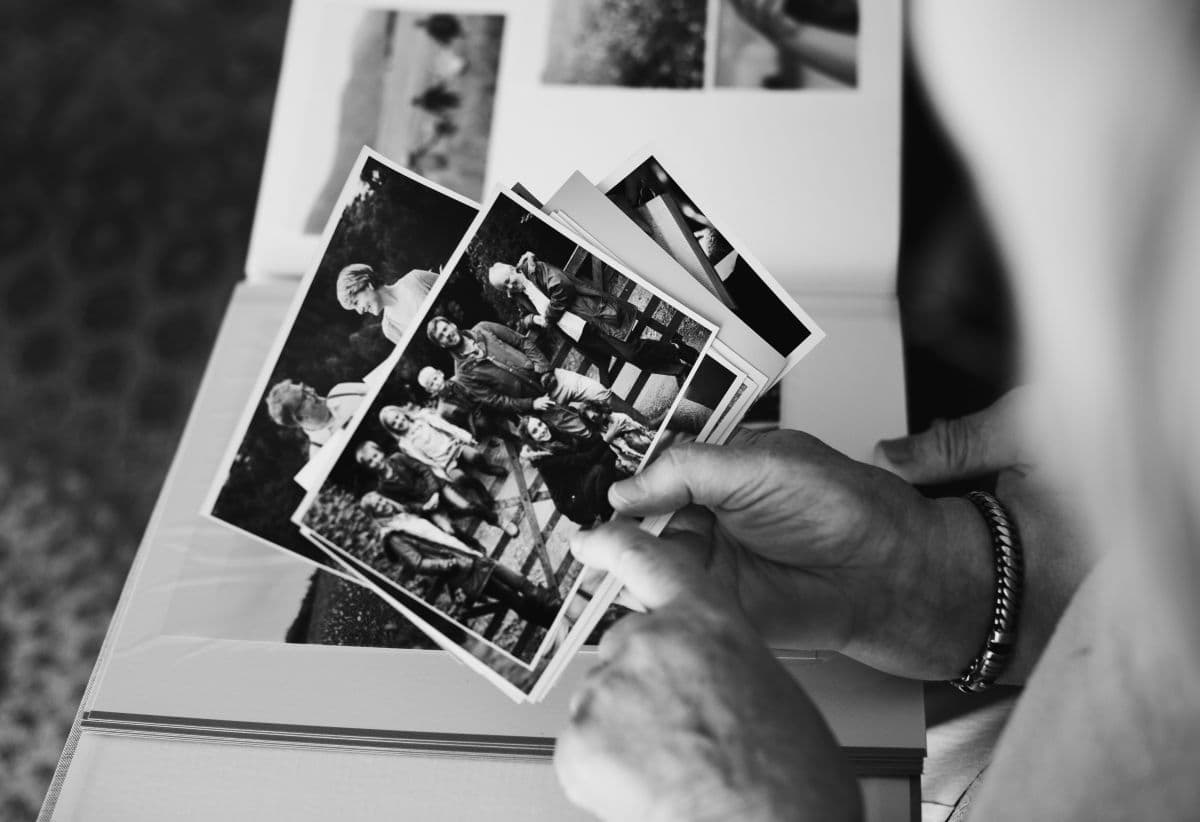
We begin with whatever the family still holds: a surname, a half-remembered place, a photograph, a story. None of it is too small. Each detail is a thread, and the early work is about deciding which to pull first.

From there, we combine documentary research with DNA evidence and on-the-ground fieldwork in Africa. No single method carries a diaspora case on its own; together they can move from a vague region toward — where the evidence allows — a specific community and lineage.
“The goal isn't a continent or a country. It's a place, and the people who are still there.”
— An AfroGen researcher
We are honest about the odds, which vary case to case. But the work has reconnected families with communities they had no documented way of finding — and that is precisely the point.